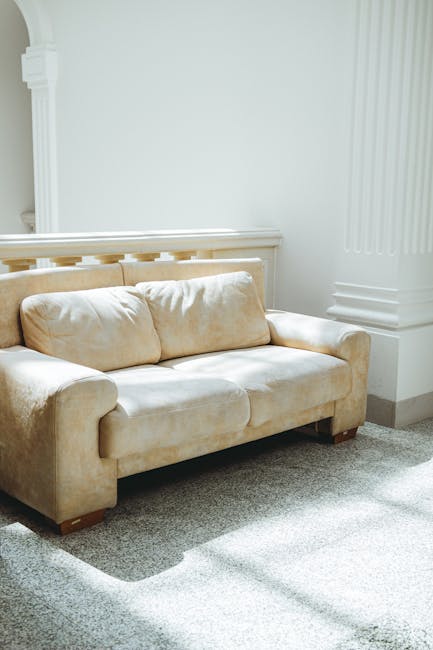
West Wickham High Street upholstery cleaning for Coney Hall: a practical local guide
If your sofa is looking a little tired, your dining chairs have picked up everyday marks, or a favourite armchair has started holding onto that faint lived-in smell, you are probably weighing up whether professional upholstery cleaning is worth it. For homes and businesses looking for West Wickham High Street upholstery cleaning for Coney Hall, the answer is often yes - especially when you want furniture to look fresher without replacing it too soon. The right clean can lift stains, reduce dust build-up, and bring fabric back to a much more comfortable state. Not magic, just proper care done well.
In this guide, we will walk through how upholstery cleaning works, what it can and cannot do, who it helps most, and how to choose the safest, most effective approach. We will also cover common mistakes, a practical checklist, and a few local considerations that matter when you are arranging cleaning around busy homes, family routines, or workspaces.
Why West Wickham High Street upholstery cleaning for Coney Hall Matters
Upholstery takes more daily punishment than most people realise. It catches dust, skin particles, pet hair, food crumbs, body oils, pollen, and the occasional spill that seemed harmless at the time. Fabric can look fine on the surface while the fibres underneath are quietly holding grime. That is why regular upholstery cleaning matters: it is not just about appearances, but about the comfort, hygiene, and lifespan of the furniture itself.
For Coney Hall households, there is also a practical local angle. Busy family homes, school-run schedules, pets coming in from wet paths, and the stop-start rhythm of London living all add up. A sofa in a front room or a banquette seat in a local business can start looking flat and dull faster than you expect. Let's face it, furniture is expensive. Keeping it serviceable for longer makes sense.
Professional cleaning also helps when DIY efforts have made things worse. A quick scrub with the wrong product can spread a stain, cause water marks, or leave a sticky residue that attracts more dirt. That sort of thing happens all the time. It is a bit annoying, but very common.
If you are trying to maintain a wider property cleaning routine, upholstery care often sits alongside services like carpet cleaning and rug cleaning. That makes sense because soft furnishings usually age together. Clean the seating, and the room often feels brighter in a way you can actually notice when you walk in.
Expert summary: Upholstery cleaning is most valuable when you want to protect fabric, remove embedded dirt, improve everyday freshness, and avoid premature replacement. The best results usually come from matching the cleaning method to the fabric, the stain type, and the item's condition.
How West Wickham High Street upholstery cleaning for Coney Hall Works
Upholstery cleaning is not one single method. A proper clean starts with identifying the material, checking for colour fastness, and understanding what the fabric can safely handle. That first step matters more than people think. A linen blend, a wool mix, velvet, microfiber, and synthetic fibres all behave differently. Push too hard, and you can distort texture or set a stain permanently.
A typical professional process usually includes inspection, pre-treatment, soil release, agitation where appropriate, extraction or controlled moisture application, and then drying. In simpler terms: test, loosen, clean, and dry without over-wetting. Straightforward enough, though the judgment behind it is where experience shows.
Common cleaning approaches
- Hot water extraction: Uses cleaning solution and controlled water pressure to lift dirt from deeper in the fibres. Good for many durable fabrics, but not all.
- Low-moisture cleaning: Uses less water, which can help on delicate items or where fast drying matters.
- Dry or solvent-based cleaning: Sometimes used for sensitive fabrics that should not be soaked.
- Spot treatment: Targets individual marks such as coffee, wine, makeup, or food stains before the main clean.
The right approach depends on the material, the stain, and the furniture's age. A heavily used family sofa in Coney Hall, for example, may need a different plan from a lightly used guest-room chair. There is no honest one-size-fits-all answer here.
Reputable providers usually explain what they will do before they start, and that is a good sign. If they also discuss drying times, fabric risks, and realistic outcomes, even better. You do not want surprises when the cushions are already wet.
Key Benefits and Practical Advantages
The biggest benefit is visible freshness. A clean sofa or chair can instantly make a room feel better maintained. But there are several other practical upsides too, and they matter just as much.
- Longer furniture life: Embedded dirt wears fibres down over time, especially on seat cushions and armrests.
- Improved room hygiene: Cleaning removes dust and debris that build up in fabric.
- Better odour control: Spills, pets, cooking smells, and everyday use can all linger in upholstery.
- Improved appearance: Colours look less dull once surface grime is removed.
- More comfortable seating: Fresh fabric simply feels nicer. Hard to quantify, easy to notice.
- Support for allergy-aware households: While cleaning is not a medical treatment, removing dust and debris can improve the feel of a space for sensitive occupants.
There is also a financial angle. Replacing a sofa or a set of office chairs is costly, and not always necessary. A well-timed professional clean can buy you more usable years, which is often the smarter spend.
If you are comparing broader services, some households like to bundle upholstery work with sofa cleaning, curtain cleaning, or mattress cleaning so the whole room feels reset rather than just one item.
Who This Is For and When It Makes Sense
Upholstery cleaning is not only for visibly dirty furniture. In fact, that is often too late. It suits a range of situations where the fabric is showing signs of age, but the structure is still worth keeping.
It makes sense for:
- Families with children who spill things, regularly, because of course they do.
- Pet owners dealing with fur, smells, and occasional accidents.
- Homeowners preparing for guests, photos, or a property sale.
- Tenants and landlords wanting furniture to look cared for between occupancies.
- Offices, waiting rooms, salons, and hospitality spaces with shared seating.
- Anyone who notices a stale smell, uneven shading, or greasy-looking armrests.
It also makes sense after a particular event: a drink spill, a wet-dog afternoon, a smoky atmosphere, or a long winter where windows stayed shut more often than not. These are the moments when upholstery can start holding onto a room's whole story.
For businesses, especially, presentation matters. If customers are sitting in upholstered chairs, the condition of those fabrics quietly shapes what they think about your standards. That is especially relevant for shared spaces and can sit alongside commercial carpet cleaning as part of a broader maintenance plan.
Step-by-Step Guidance
If you are arranging upholstery cleaning for the first time, a clear process helps you know what to expect and what to ask. Here is the usual flow, simplified.
- Identify the fabric. Ask whether the furniture has a care label or manufacturer guidance. If not, a professional should inspect it first.
- Check for stains and wear. Point out any problem areas before cleaning starts, including faded patches, scuffs, and old spots.
- Test in a discreet area. A small hidden patch helps check colour fastness and fibre response.
- Pre-treat marks. Food, drink, and pet-related stains usually need targeted treatment before the full clean.
- Clean using the safest suitable method. That may be extraction, low-moisture cleaning, or a specialist treatment.
- Remove excess moisture. This reduces drying time and lowers the risk of lingering dampness.
- Allow proper drying. Good airflow helps. In a real home, that may mean a window open a little and a bit of patience.
- Final check. Review the result once dry so any remaining marks or texture changes are noticed early.
One useful point: clean fabric is not always bone dry the moment the cleaner leaves. That is normal. The important thing is that the process has been controlled, not rushed. If a room smells sharply damp for too long, that is worth asking about.
Expert Tips for Better Results
A few small habits make a surprising difference to the final result. These are the things people often overlook, then wish they had not.
- Vacuum first. Loose grit can turn into muddy residue if it is left in the fibres.
- Blot, don't scrub. Rubbing can distort the pile or push the stain deeper.
- Tell the cleaner everything. Even that "tiny" spill from months ago. Old stains matter.
- Ask about fabric suitability. Delicate materials need a softer approach.
- Protect drying time. Try not to sit on the furniture until it is ready. Yes, the sofa looks inviting. No, not yet.
- Use regular maintenance. Light cleaning and vacuuming between deep cleans prevents heavy build-up.
In our experience, the best outcomes happen when the customer is specific. Saying "there's a stain on the left cushion" is more helpful than "it's a bit grubby somewhere." A little clarity saves time and improves the result. Simple, really.
If odour is part of the problem, especially with pets, it may be worth considering pet stain and odour removal as part of the job rather than treating smell separately later.
Common Mistakes to Avoid
Upholstery cleaning can go wrong in ways that are easy to avoid once you know what to watch for. The most common mistake is using the wrong product for the fabric. A cleaner that works on one synthetic seat might stain or damage a natural fibre. Another mistake is over-wetting, which can leave rings, slow drying, or a musty smell that lingers longer than the stain itself.
People also underestimate how much residue household cleaners leave behind. Even if a stain lifts, the leftover product can attract fresh dirt and make the spot reappear. That is frustrating. Proper extraction or rinsing usually makes a big difference here.
- Do not soak cushions unless the fabric is designed for it.
- Do not use bleach unless a fabric specialist has clearly advised it.
- Do not attack old stains with rough brushes.
- Do not forget to test colour fastness before any full treatment.
- Do not sit furniture against walls too soon if it is still drying.
There is also a timing mistake: waiting until a piece looks hopeless. It often is not hopeless. But stains that have been baked in by heat, sunlight, or repeated DIY attempts are harder to shift. Better to act sooner. Truth be told, that saves a lot of hassle.
Tools, Resources and Recommendations
The right equipment matters, but the right judgment matters more. A good upholstery clean usually depends on a combination of tools, inspection, and restraint. Yes, restraint. Sometimes the skill is knowing when not to push harder.
| Method | Best for | Pros | Watch out for |
|---|---|---|---|
| Hot water extraction | Durable synthetic fabrics, heavier soiling | Deep clean, strong soil removal | Can over-wet delicate materials if misused |
| Low-moisture cleaning | Routine refreshes, quicker turnaround | Faster drying, less disruption | May need targeted stain treatment first |
| Solvent or dry cleaning | Delicate or moisture-sensitive fabrics | Lower water exposure | Requires fabric compatibility and care |
| Spot treatment only | Small, isolated marks | Quick for minor issues | Won't help if the overall fabric is dirty |
For most households, the most useful resource is not a gadget but a sensible plan. Vacuum regularly, deal with spills quickly, and keep a note of any fabric labels or manufacturer instructions if you still have them. If you do not, no drama - a careful inspection can still guide the process.
If you want a broader service overview, the main upholstery cleaning page can be useful for understanding what is usually included, while stain removal is worth considering when a particular mark is the main concern.
Law, Compliance, Standards, or Best Practice
For upholstery cleaning, the main thing is not a complex legal rulebook but safe, sensible practice. In the UK, customers generally expect cleaners to work carefully with chemicals, respect fabric safety, and protect the property while they work. That means clear communication, appropriate equipment, and honest advice when a fabric is too fragile for a certain method.
Good practice usually includes:
- checking fabric suitability before treatment;
- using cleaning products responsibly and in line with the item's needs;
- avoiding unnecessary saturation;
- protecting floors and surrounding surfaces;
- giving realistic guidance on drying and aftercare;
- having suitable public liability and safety arrangements in place.
If you are comparing providers, it is reasonable to ask about safety and insurance. A company that takes this seriously should be comfortable explaining how it works. You can also review practical policies such as health and safety policy and insurance and safety information if you want extra reassurance before booking.
Another point worth mentioning: data and payment handling also matter when you are dealing with a local service. If you are reviewing provider information, payment and security, privacy policy, and terms and conditions are worth a quick look. Not exciting reading, admittedly, but sensible.
Options, Methods, or Comparison Table
Choosing the right upholstery cleaning method is mostly about matching the method to the item. Here is a practical way to think about it.
| If your furniture is... | Best starting option | Why |
|---|---|---|
| Heavily used and robust | Hot water extraction | Often best at lifting soil from deeper within the fibres |
| Lightly used but dusty | Low-moisture clean | Freshens the item without making drying a major issue |
| Delicate or moisture-sensitive | Dry or specialist cleaning | Reduces the risk of water marks or distortion |
| Marked in one small area | Targeted stain treatment | Can address a specific issue without a full process |
A lot of people assume "stronger" means "better". Not always. On a velvet chair or older fabric, a gentler process may be the smarter choice. On a synthetic family sofa with food marks and traffic grime, a stronger method might be exactly right. The trick is balance.
If you are booking for a workplace or shared premises, you may also want to look at commercial carpet cleaning so seating and flooring are handled together, which is often more efficient than splitting things up.
Case Study or Real-World Example
Here is a typical real-world scenario. A Coney Hall family has a fabric corner sofa that looked fine at a distance, but up close the armrests were darkened, one seat cushion had a pale coffee ring, and the room carried a faint stale smell after the windows had stayed shut through colder weather. Nothing dramatic. Just ordinary wear creeping in.
The first step was a fabric check, because the upholstery had a mixed synthetic weave and removable cushions. The cleaner identified the stain type, pre-treated the coffee mark, and used a moisture-controlled extraction approach on the main seating area. The process was careful rather than aggressive. No dramatic scrubbing. No soaking. Just a sensible sequence.
What changed most was not only the colour of the sofa, but the feel of the room. The seating looked brighter, the odour dropped away, and the fabric no longer felt slightly tacky in the places where hands rested every day. That is the sort of result people notice when they sit down that evening with a cup of tea. Quiet improvement. But very satisfying.
It is worth saying that results vary. Old stains, dye transfer, and heat-set marks can be stubborn. Still, a proper inspection and the right method usually give furniture a better chance than a quick DIY attempt ever will.
Practical Checklist
Use this before booking or before the clean starts. It keeps everything simple.
- Identify the furniture type and fabric if you can.
- Note all stains, spills, pet issues, and odours.
- Check whether covers are removable.
- Ask how long drying is likely to take.
- Move small items, cushions, and breakables out of the way.
- Vacuum the upholstery first if possible.
- Confirm whether the method is safe for the fabric.
- Ask about aftercare for the first 24 hours.
- Review pricing and what is included before work begins.
- Make sure you know who to contact if there is a follow-up question.
Quick takeaway: good upholstery cleaning is less about force and more about fit. Match the method to the fabric, treat stains carefully, and leave enough drying time. That alone avoids a lot of disappointment.
If you want to understand costs and what normally affects them, the pricing and quotes page is a sensible place to start. And if your furniture has mixed materials or needs extra attention, it helps to ask questions before the appointment rather than after. Saves everyone a headache.
Conclusion
West Wickham High Street upholstery cleaning for Coney Hall is really about making furniture usable, attractive, and comfortable again without jumping straight to replacement. Done properly, it can refresh a room, support better hygiene, and extend the life of pieces that still have plenty left in them. Done badly, it can cause more mess than it solves. So the quality of the process matters.
The best approach is careful, local, and realistic: inspect the fabric, choose the right method, deal with stains early, and allow enough drying time. That is the heart of it. Nothing fancy, just proper workmanship and a bit of patience.
If you are comparing providers or planning a clean soon, take a moment to review the service details, safety information, and booking terms so you know exactly what to expect. A little preparation now usually means a better finish later.
Get a free quote today and see how much you can save.
And once the furniture is clean, the room just feels lighter somehow - quieter, fresher, more like home.
Frequently Asked Questions
How often should upholstery be professionally cleaned?
For most homes, once every 12 to 24 months is a sensible rhythm, but it depends on use. Homes with children, pets, or heavy daily use may need cleaning more often. The more traffic the furniture gets, the faster dirt builds up.
Can upholstery cleaning remove all stains?
No cleaner can honestly promise that. Fresh stains usually respond better than old, heat-set, or dye-related marks. A proper pre-inspection helps set realistic expectations before any work starts.
How long does upholstery take to dry?
Drying time varies by fabric, method, ventilation, and room temperature. Some items dry relatively quickly, while deeper cleans can take longer. Good airflow helps, but it is best not to rush the process.
Is steam cleaning safe for all upholstery?
Not all upholstery is suitable for steam or high-moisture cleaning. Delicate fabrics, some natural fibres, and older items may need a gentler method. A fabric check comes first, always.
Can I clean upholstery myself with supermarket products?
You can tackle light surface marks yourself, but there is a risk of leaving residue, spreading stains, or over-wetting the fabric. For valuable or delicate items, professional cleaning is usually the safer choice.
What should I do before the cleaner arrives?
Clear small items from the area, vacuum if you can, and point out any stains or worn patches. If you have pets, it helps to make sure they are safely out of the way during the visit. Less chaos, better focus.
Will upholstery cleaning help with pet smells?
Yes, it often helps a lot, especially when odour is trapped in the fibres. For stronger pet-related problems, targeted treatment may be needed alongside the main clean.
Does upholstery cleaning damage fabric?
It should not, provided the method is matched to the material and the cleaner is careful. Problems usually happen when a fabric is cleaned too aggressively or with the wrong product.
Can upholstery cleaning help a business as well as a home?
Absolutely. Offices, waiting rooms, and hospitality spaces all benefit from cleaner seating. It improves the look of the space and helps furniture last longer under regular use.
What is the difference between sofa cleaning and upholstery cleaning?
Soofa cleaning is a type of upholstery cleaning focused on sofas and settees. Upholstery cleaning is broader and can include chairs, benches, stools, and other fabric-covered items.
How do I know if my furniture needs deep cleaning or just spot treatment?
If the whole item looks dull, feels grimy, or has a lingering smell, a full clean is usually better. If there is just one fresh mark, spot treatment may be enough. A good inspection will tell you which route makes sense.
Where can I find more information about the company and its policies?
You can review the available pages on the site, including about us, recycling and sustainability, and complaints procedure if you want to understand how things are handled. It is always worth checking the basics before booking.